For decades, ABR has kept two kinds of intelligence apart. Neural policies
learn rich behaviors yet forget them when the environment changes; rules
never learn, and never forget. We dissolve this boundary, placing the
rule inside the network rather than beside it. But a union must first
be testable, and ABR cannot measure what its policies learn or forget. Its
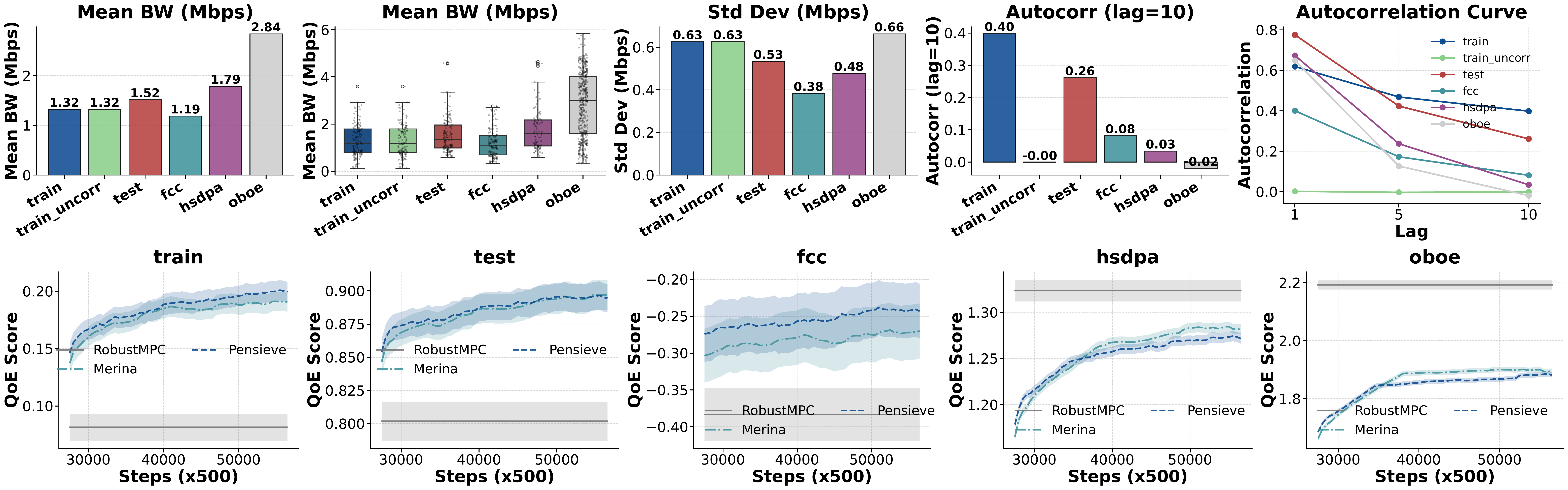
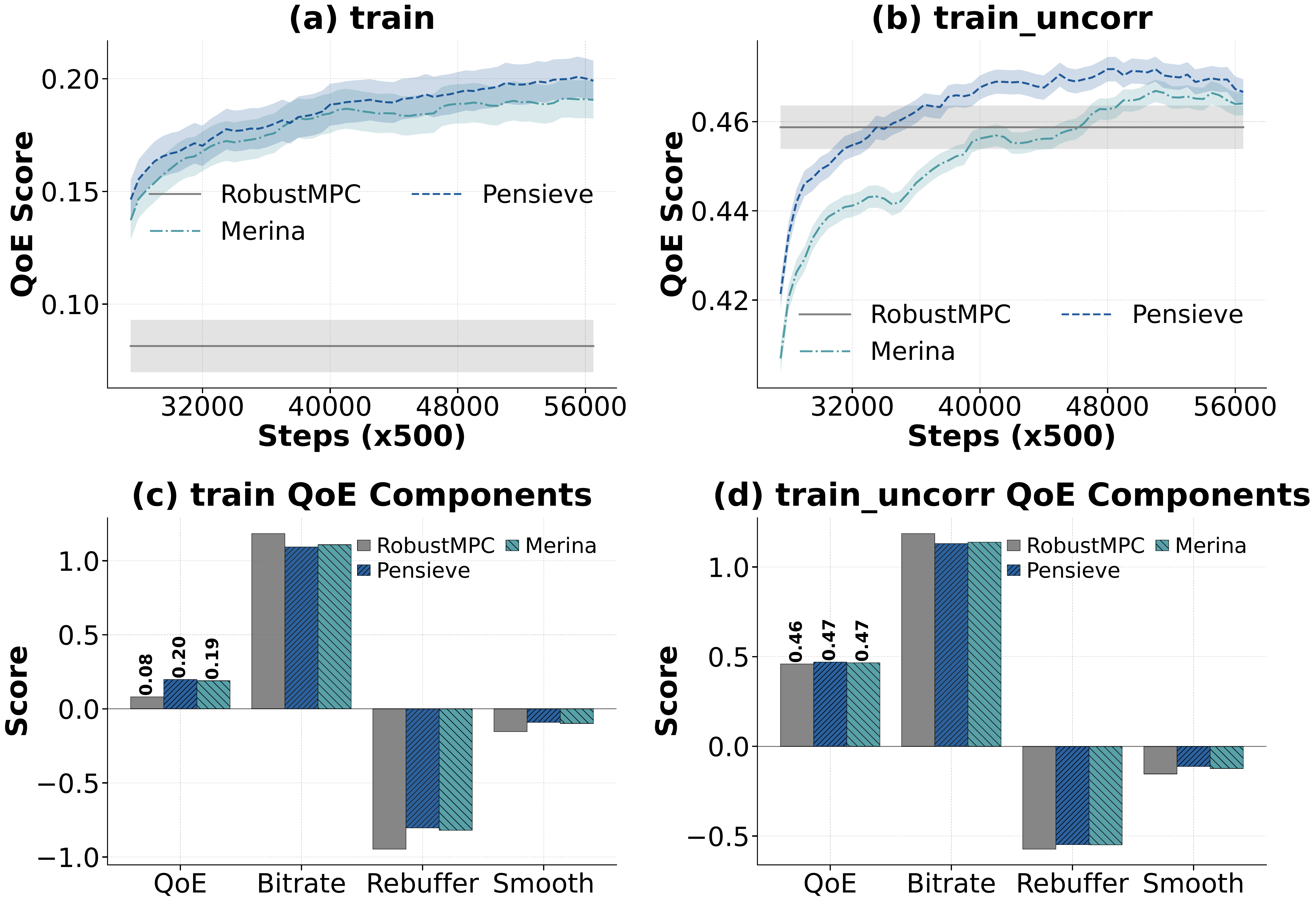
yardstick, bandwidth statistics, misleads: identical statistics can hide
entirely different outcomes; different statistics, similar ones. We
therefore propose Texture-Aware Generalization Evaluation, which
judges a policy over its whole training trajectory, on traces whose texture
is reported, not assumed.
What breaks a policy is invisible to statistics, yet rules pass through it
untouched, reasoning from physics and owing the data nothing.
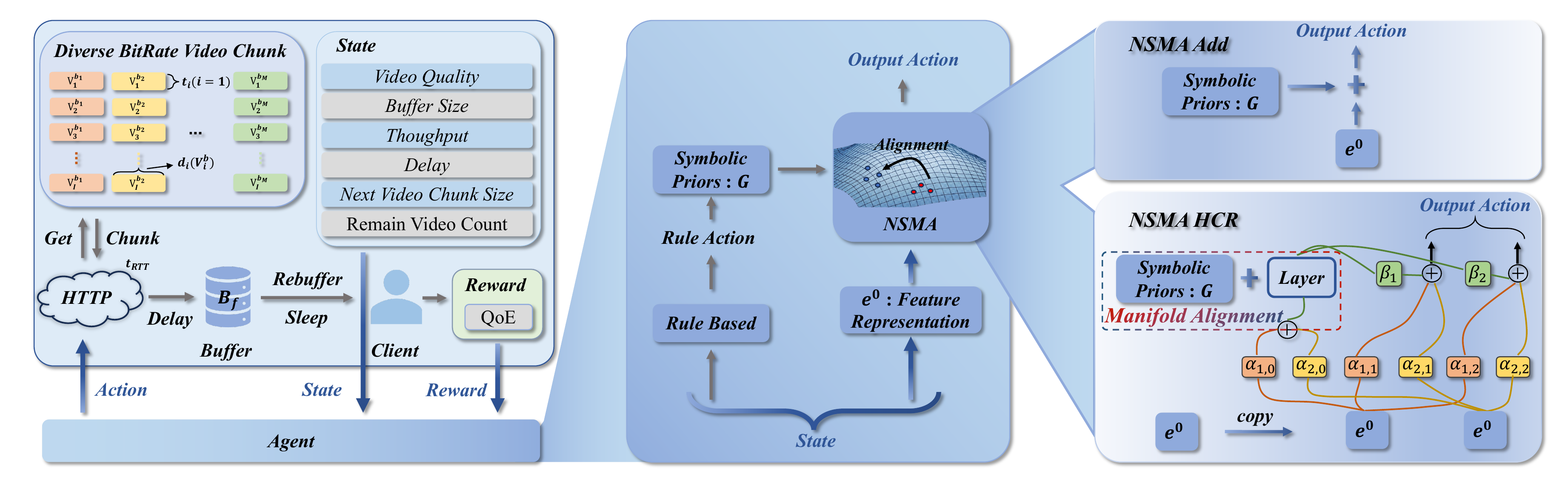
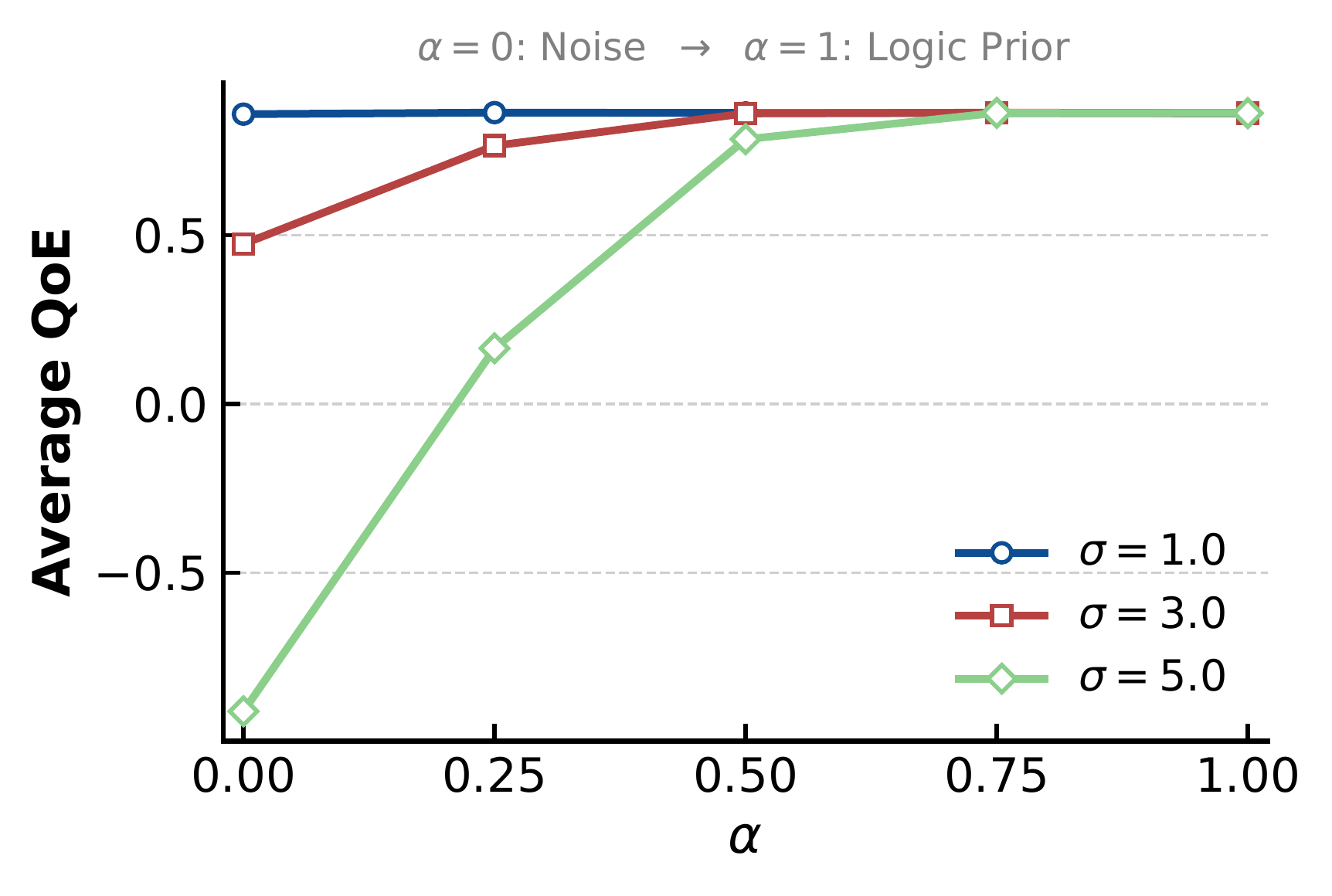
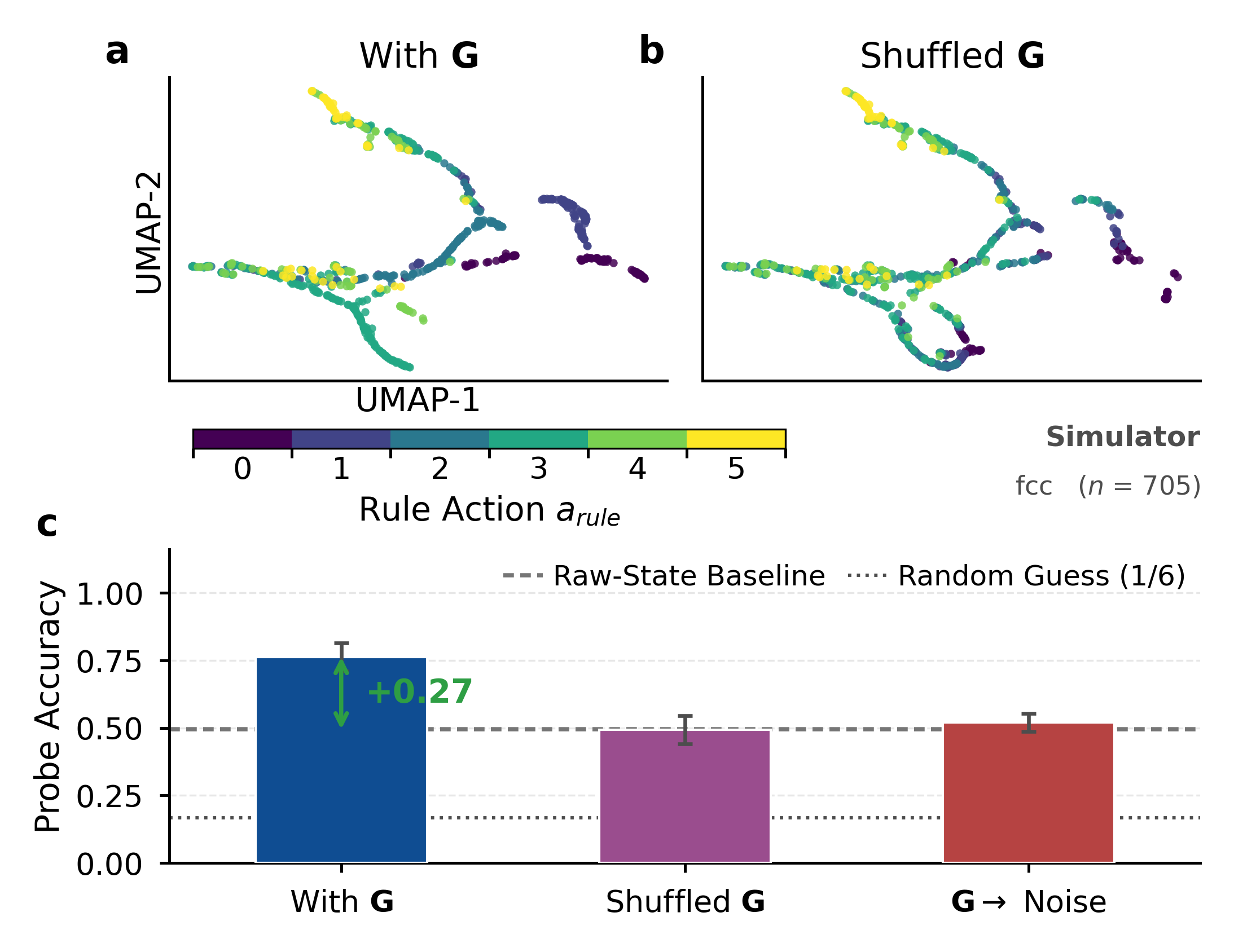
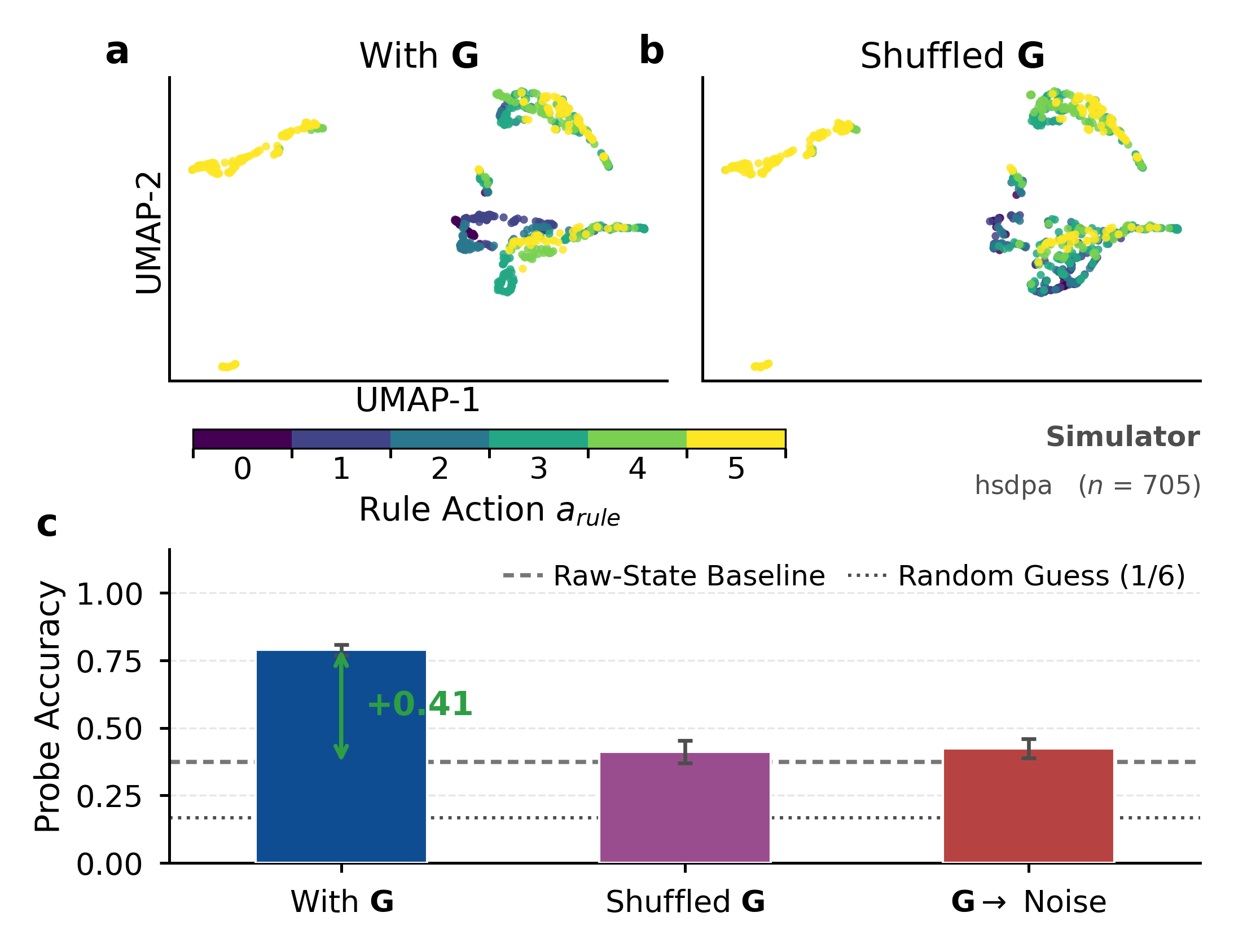
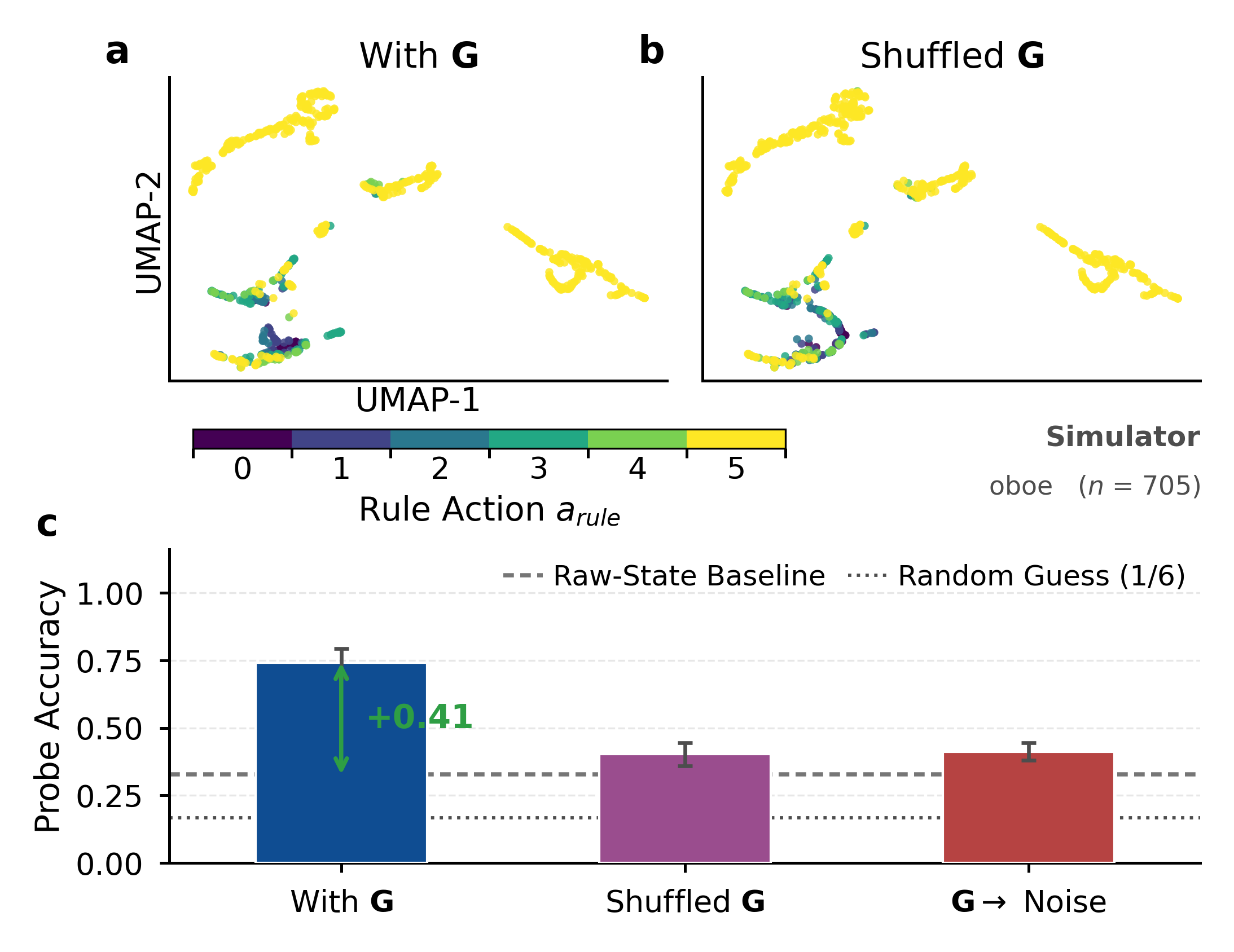
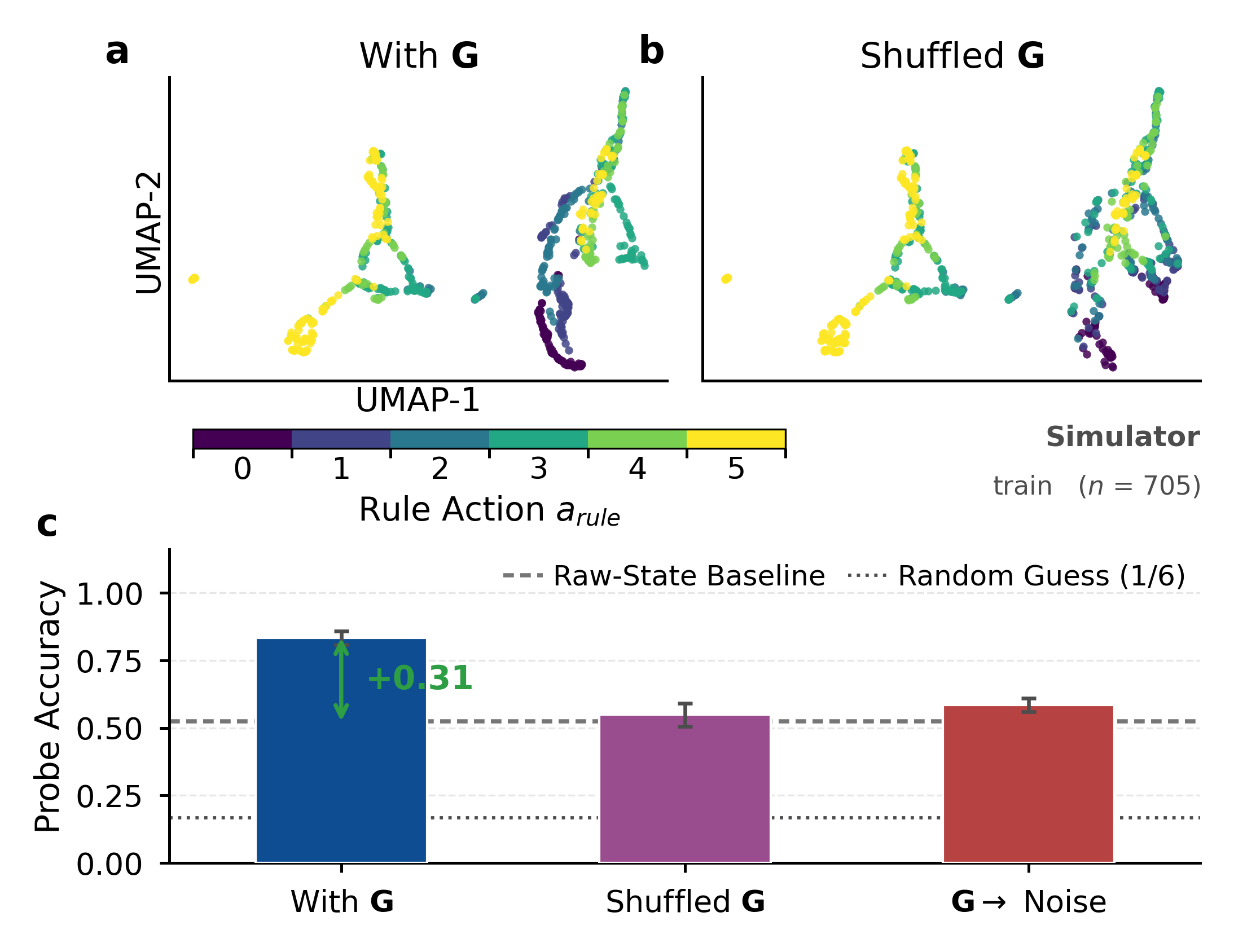
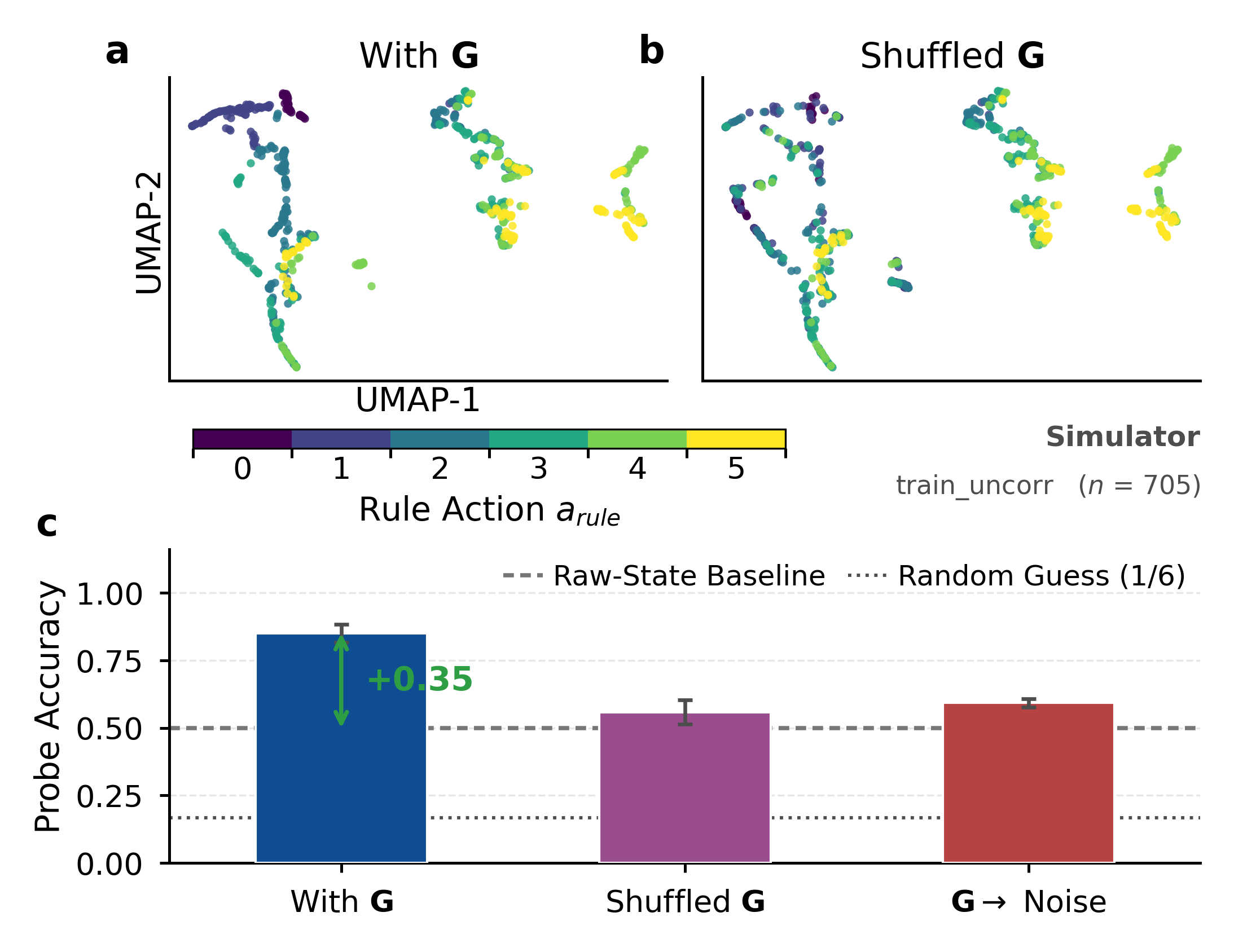
Neuro-Symbolic Manifold Alignment (NSMA) embeds rule decisions as
anchors inside the latent space of the neural policy, which keeps learning
where learning pays and no longer forgets what rules have always known.
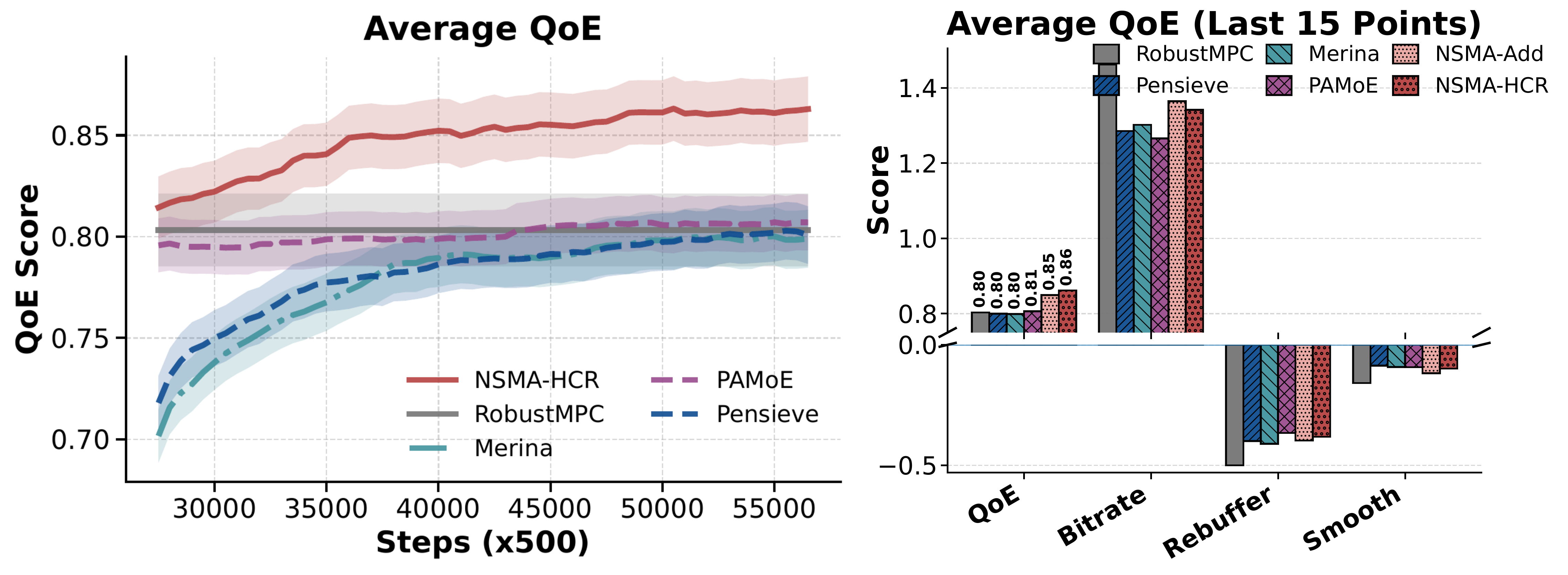
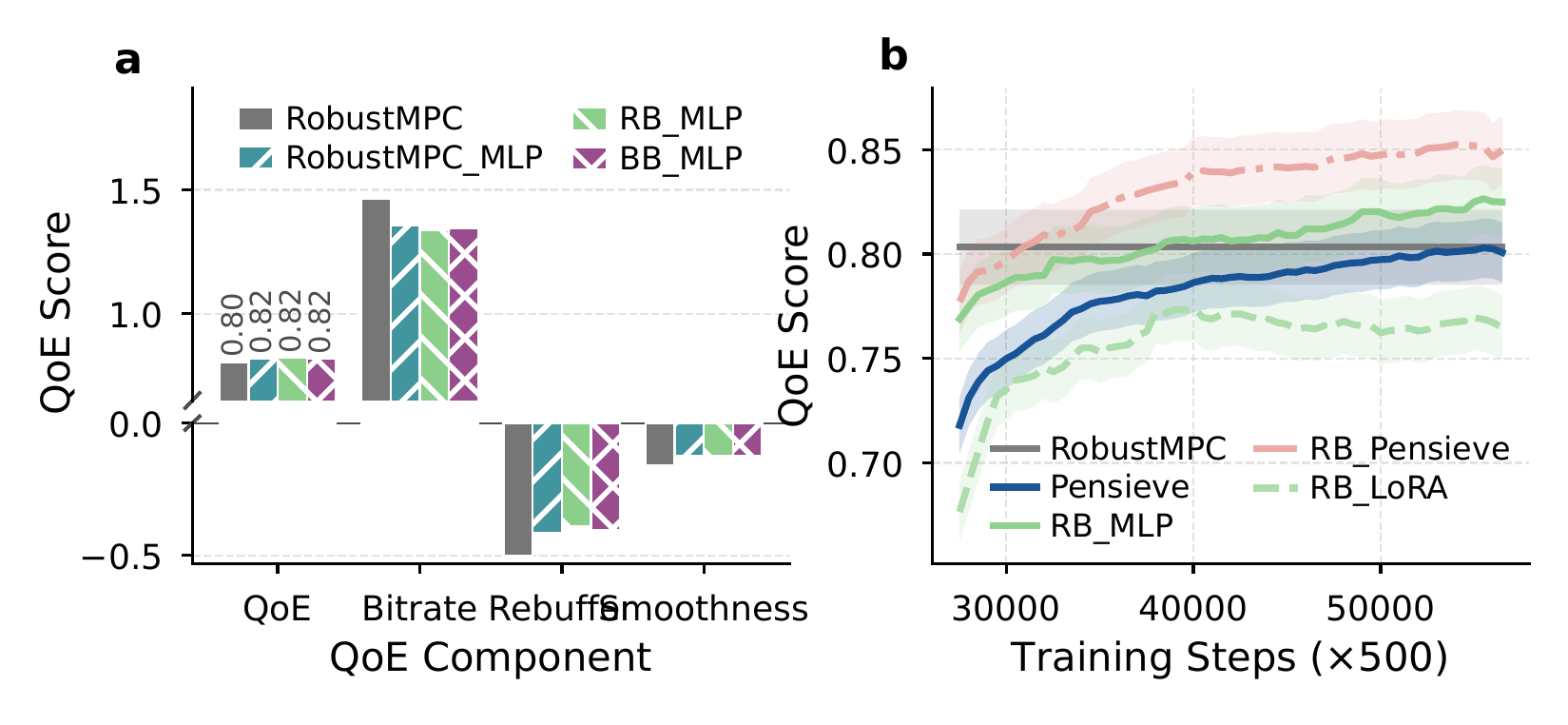
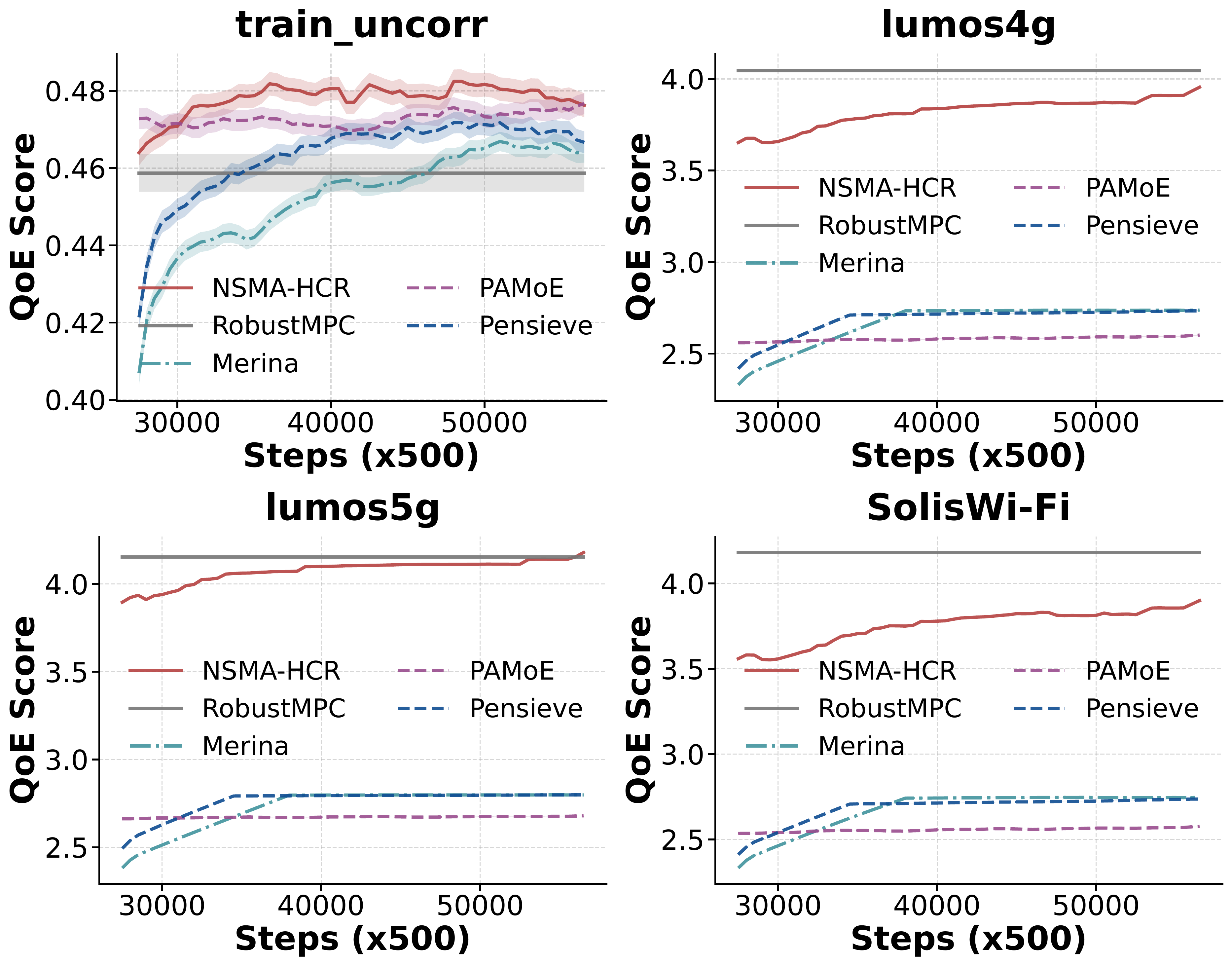
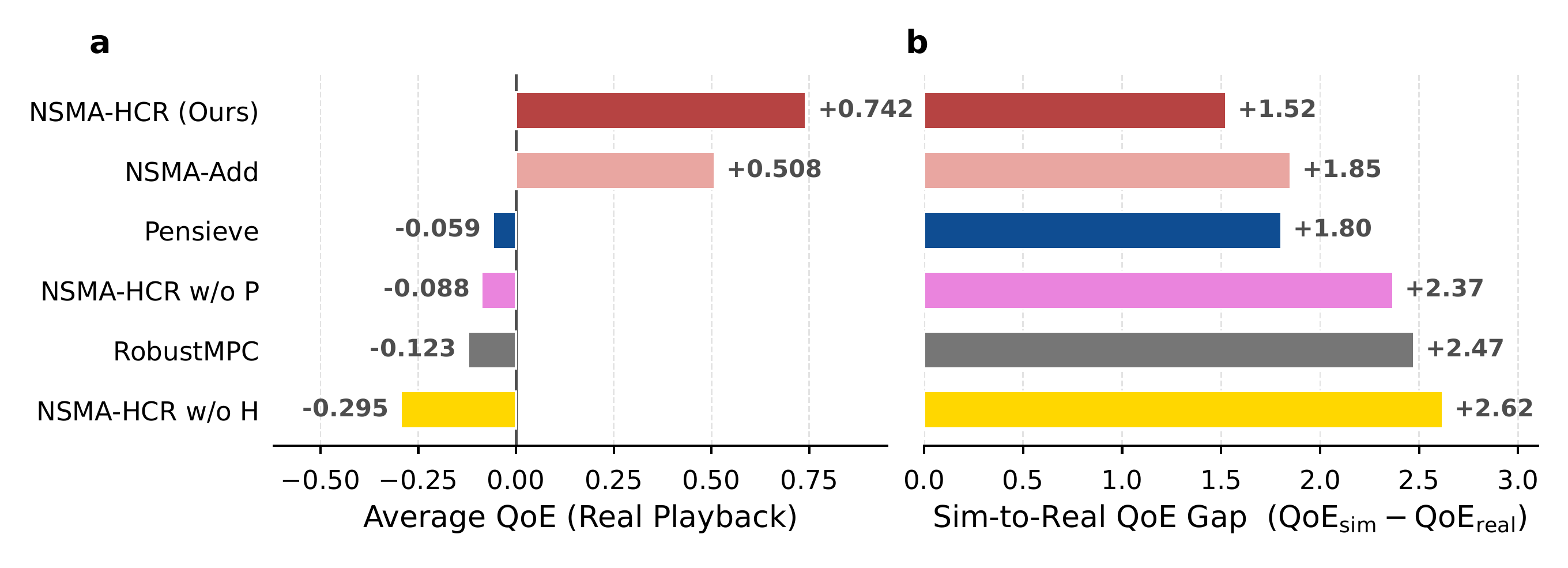
Generalization cannot be argued, only survived. Raised on 3G traces alone
and released without fine-tuning, NSMA outperforms every state-of-the-art
baseline across eight unseen datasets spanning 4G, 5G, and WiFi, and a
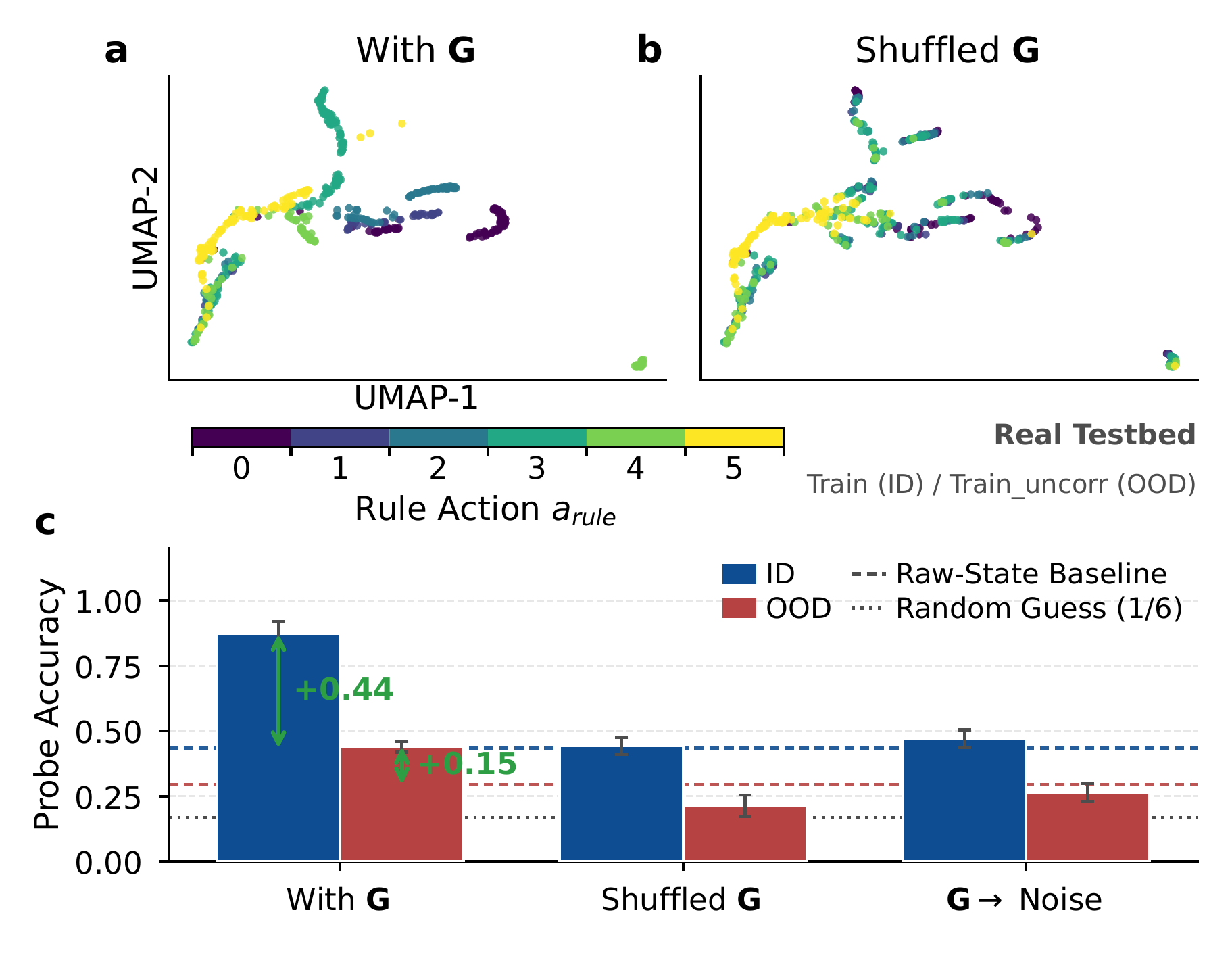
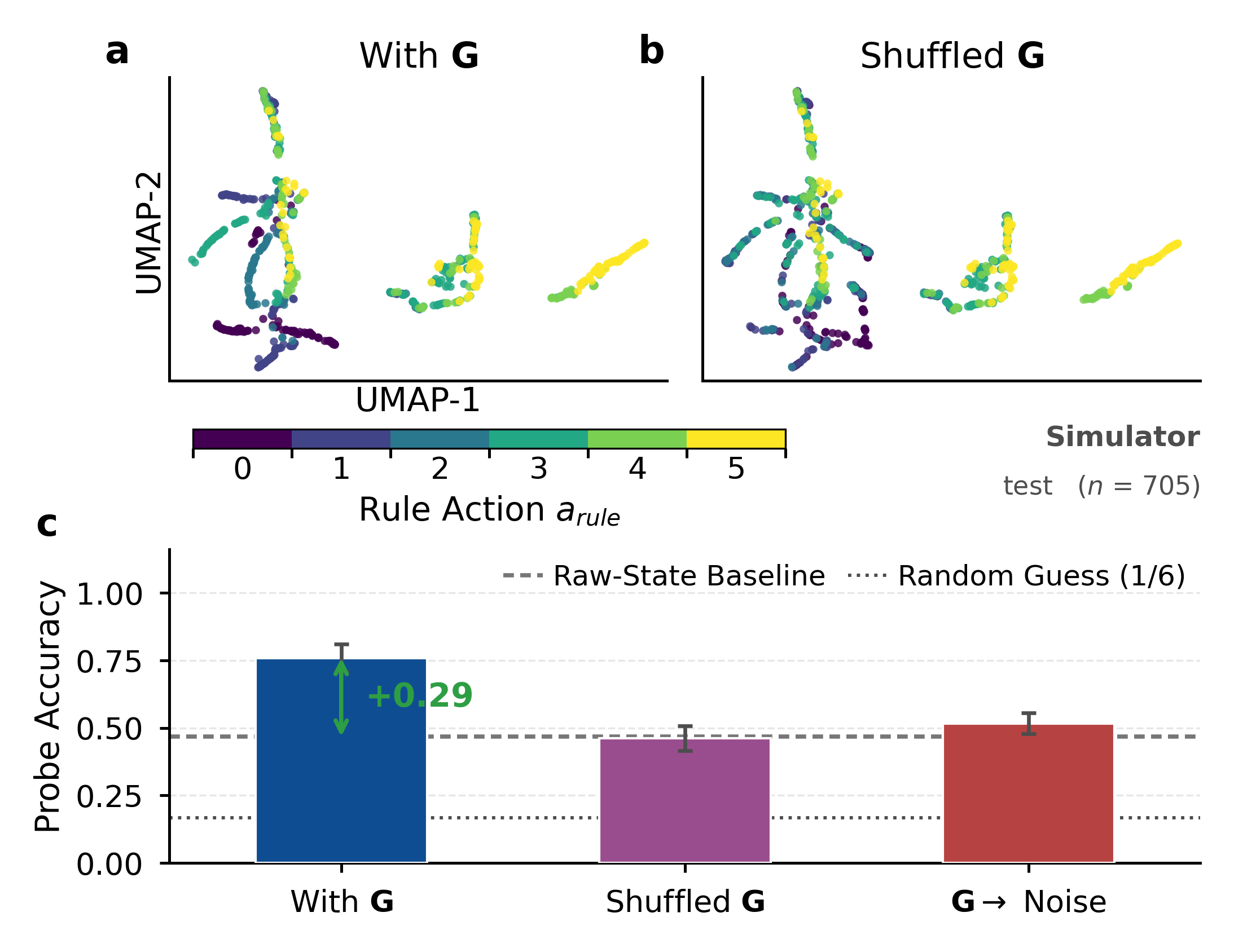
real-world player. Probing its latent space returns the answer the design
promised.